
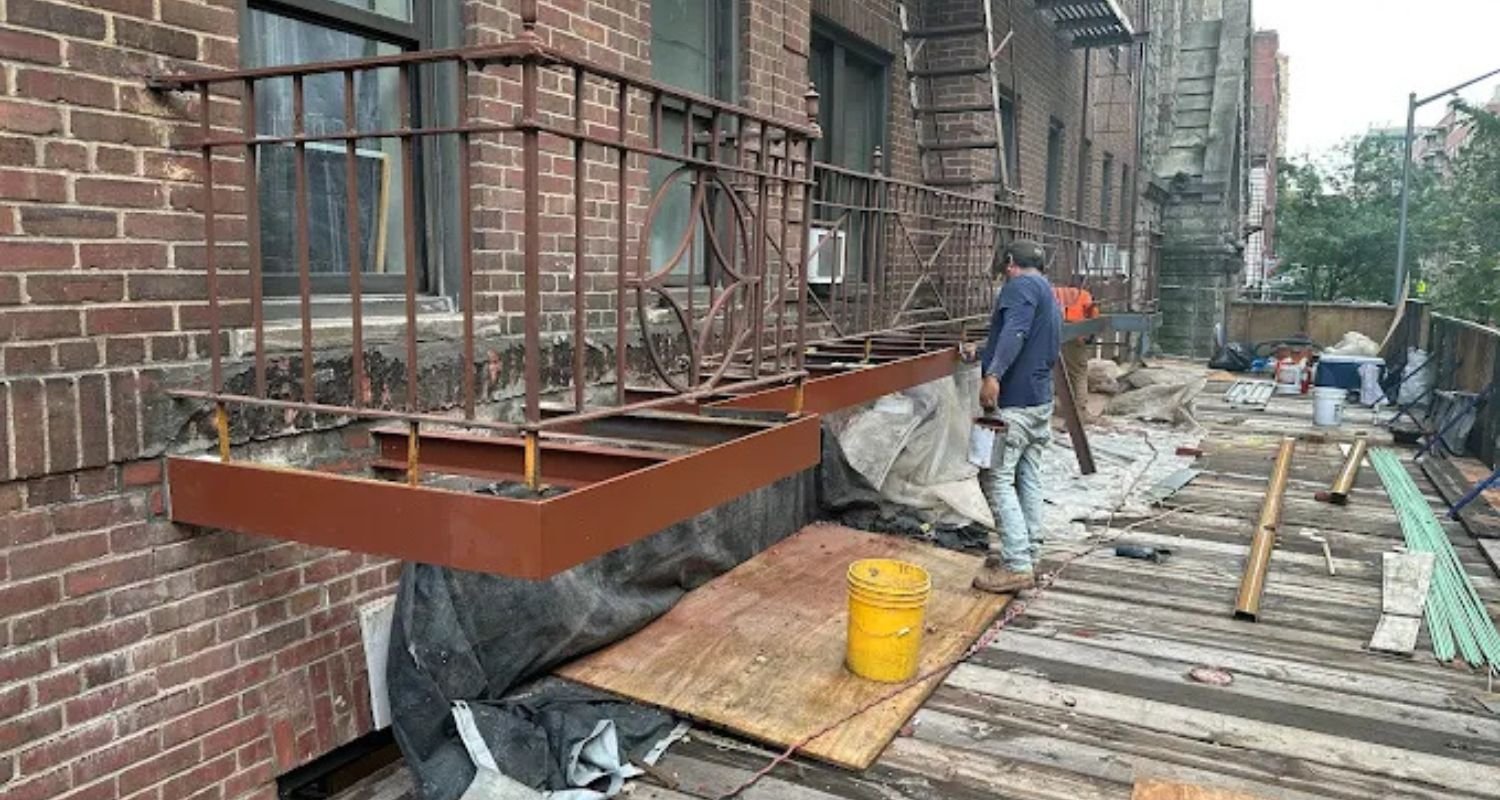
Rusted Fire Escape? Here’s When to Repair or Replace It
- Posted On: June 25, 2026
- Posted By: tricerepairs
A fire escape is one of the most important life safety features on any residential or commercial building. It acts like a dependable emergency exit when stairwells, or hallways become inaccessible during a fire, or another emergency. Sadly, a lot of property owners pay very little attention to their fire escape until you start seeing obvious damage, or an inspection highlights serious safety concerns. If you have ever wondered, “Is My Fire Escape Rusting?” then you are already taking an initial step toward safeguarding your property and everyone inside it.
Hiring experienced fire escape contractors NYC is essential when signs of corrosion, structural damage, loose railings, cracked welds, or peeling paint start to show up, in a way that looks a bit off. Small maintenance issues can quickly turn into expensive structural problems if they are ignored for too long. Knowing the difference between routine upkeep, Fire escape Repair, and full replacement can save thousands of dollars and still help keep your building in line with local safety rules.
This comprehensive guide explains just about everything homeowners, landlords, property managers, and real estate investors may want to know regarding rusted fire escapes, the inspection requirements, repair options, replacement decisions, maintenance costs and how to prepare If your fire escape fails during an emergency.
Why Fire Escapes Matter More Than You Think
Fire escapes are meant to give the occupants a safe out, when regular exit paths get blocked. In older cities like New York, thousands of apartment buildings still lean on those outside steel fire escapes that have been exposed to decades of rain, snow, humidity, road salt and even changing temperatures.
If maintenance is not kept up regularly, the steel slowly starts to corrode. Little by little, rust makes the structural parts weaker, including the stairs, the landings, the support brackets, bolts, and the weld seams.
By the time a fire escape is neglected enough, it can turn into more of a hazard than a help when an emergency happens.
Is My Fire Escape Rusting? Warning Signs You Should Never Ignore
Rust tends to happen slowly, but it can creep up on you. Catching the early clues early can stop major, expensive fixes and it helps keep occupants safer too.
Surface Rust
Surface rust shows up as orange or brown discoloration on coated or painted steel.
Characteristics include:
- Small rust spots
- Bubbling paint
- Minor discoloration
- No structural deformation
In many cases surface rust can still be repaired, if you handle it quickly.
Deep Corrosion
Deep corrosion is way more serious, than people think
Warning signs include.
- Flaking steel
- Pitting
- Holes in metal
- Soft steel sections
- Visible deterioration
Deep corrosion will reduce structural integrity, and it often requires professional fire escape repair.
Loose Railings
Handrails should never wobble, not ever.
Common causes include
- Rusted fasteners, or corroded fixings
- Broken welds, with failing joins
- Loose anchors, not properly set in place
- Structural movement, the frame shifting under load
This situation becomes a serious safety hazard quickly.
Cracked Welds
Welded junctions are under constant load and that kind of thing keeps going, stress, right. Rust starts to happen near the welds a lot because the moisture gets trapped in those tiny areas, and then it just sits there.
look for these signals
- Fine hairline fractures
- Weld material that is missing
- Oxidation or rust that shows up around welded joints
Stair Misalignment
If the stairs seem uneven, or like they sag a little, then the structural supports may be going bad.
Never ignore the following:
- Uneven treads
- Tilting platforms
- Bent supports
- Stair movement
These problems demand immediate looking at them, right away.
What Causes Fire Escape Rust?
Understanding why corrosion forms really matters, because it helps avoid more future problems, and that is not just theory.
Weather exposure
Steel stays in contact, again and again, with things like:
- rain
- snow
- ice
- ultraviolet light
- humidity
These repeated wet dry periods can speed up oxidation.
Salt Exposure
In NYC, road salt is one of the largest contributors to metal corrosion, honestly it can be kind of a big deal. The salt pulls in moisture, and then it speeds up rust formation a lot, way faster than you’d expect.
Poor Drainage
Standing water makes ideal situations for corrosion to start, and keep going a while longer.
Water often gathers in, or around these places, for example:
- Stair treads
- Landings
- Connection points
- Horizontal beams
Paint Failure
Paint helps shield steel from oxygen and dampness.
Once that coating cracks, or it starts peeling, the rust can begin below it.
A lack of upkeep
Many fire escapes may go for years without real attention like, cleaning, repainting, rust removal, and inspections.
Put off maintenance almost always means bigger repair bills later on.
Why Rust Is More Dangerous Than It Looks
Many property owners just assume rust is only a surface thing, you know.
That belief can end up getting very expensive, fast.
Rust slowly eats away at the steel thickness over time.
Even if a support beam looks perfectly fine from the outside, corrosion may have already weakened the inside part.
Then later, the building parts can start to, things like:
- bend
- crack
- collapse
- detach from the building
And the danger grows much more in emergencies when multiple occupants use the fire escape at the very same time.
When Does a Fire Escape Need Repair?
Professional Fire escape Repair is recommended when the damage feels localized, and the entire structure still seems sound.
Common repair situations include, but are not limited to:
Surface Rust Removal
Contractors remove corrosion by using a set of methods such as:
- Wire brushing
- Grinding
- Sandblasting
- Abrasive blasting
Afterward, a fresh primer and protective coatings get applied.
Welding Repairs
Minor cracks can often be handled through structural welding, and in many cases, this helps with stability.
Qualified welders restore strength while keeping compliance with safety standards, at the same time making sure the work stays within required limits.
Replacing Individual Components
Instead of swapping the whole frame, crews can replace parts of it, like
- Stairs
- Railings
- Platforms
- Brackets
- Fasteners
- Connections
This often ends up as the most economical approach.
Steel Recoating
Protective covering options include
- Rust inhibitors
- Zinc rich primer layers
- Industrial epoxy coating systems
- Weather resistant paint finishes
A current coating set up can greatly extend the service life of the steel.
When Should You Replace the Entire Fire Escape?
Sometimes repairs are no longer sufficient and you feel, okay this is not going anywhere, right.
Replacement becomes necessary when:
Structural members have lost strength
If corrosion has reduced the steel thickness in a big way, replacing it is more secure than patching it up.
Extensive rust covers multiple levels
If almost every part shows serious corrosion, fixing one or two isolated areas won’t address the whole issue underneath.
Building Code Requirements
Some older fire escapes are no longer meeting the present safety standards, or they may just be hovering on the edge. In that situation, a replacement could be needed to comply with revised regulations, and yes, sometimes it happens faster than expected.
Failed Inspections
If inspectors find broad structural issues, then replacement might be required before occupancy keeps going. That part tends to be very strict, unfortunately.
Excessive Repair Costs
When repair spending gets close to replacement expenses, then fitting a new system often ends up offering stronger long-term value. In a lot of cases, the math becomes hard to deny.
Fire Escape Inspection Checklist
Professional inspections should look at, or at least check on
- Structural steel
- Bolts
- Rivets
- Welds
- Anchor connections
- Stair treads
- Platforms
- Railings
- Corrosion
- Paint condition
- Drainage
- Stability
- Load bearing capacity
- Emergency accessibility
Routine inspections help spot troubles early before they turn into real emergencies.
Common Fire Escape Repairs Performed by Contractors
Fire Escape Contractors NYC commonly end up doing a bunch of maintenance stuff, like rust removal, steel replacement and welding. Then they’ll handle bolt replacement, stair repairs, landing repairs and railing replacement. If the thing looks like it needs more support they often add structural reinforcement, and they may apply protective painting and waterproof coatings. Sometimes you’ll also see anchor replacement, plus a round of load testing once the work is finished.
Professional Fire Escape Contractors NYC also document repairs for insurance, and compliance purposes, so everything is recorded and ready if anyone asks later.
How Much Does Fire Escape Repair Cost?
Costs change based on a bunch of stuff. The, pricing is influenced by things like:
- How tall is the building?
- How many platforms there are
- Access, meaning accessibility for crews and equipment
- How severe is the rusting?
- Whether welding work is needed
- If material replacement is required
- Surface preparation steps
- The painting system being used
- Any permit requirements
In most situations small repairs cost way less than waiting until a full structural replacement becomes necessary. Routine maintenance is almost always the most economical option, without exception.
Fire Escape Replacement Costs
Complete replacement cost is usually based on,
- building size
- custom fabrication
- steel type
- how involved the installation turns out to be
- engineering requirements
- permit approvals
- the needed safety testing
- protective coatings
Even if you have to invest more at replacement time it still brings decades of better safety with less maintenance.
If Your Fire Escape Fails During an Emergency
Not too many moments feel more dangerous than realizing your emergency exit is, uh, unusable when a fire is already happening.
When your Fire Escape Fails During an Emergency:
- Stay calm
- Follow your building’s emergency evacuation plan, exactly
- If available use alternate routes that are clearly designated, not random corridors
- Do not leap from upper floors
- Contact emergency services immediately
- Inform other occupants as you move, without waiting too long
- Close the doors behind you, this helps slow the smoke spread
- If leaving is no longer possible then wait for rescue
After the incident, arrange a quick professional inspection so the cause of the failure is discovered and future hazards are prevented.
Choosing the Right Fire Escape Contractors NYC
Not every contractor really focuses on exterior fire escape systems, you know.
Try to find firms that can handle stuff like this, without too much hassle:
- Fire escape inspections
- Structural assessments
- Certified welders
- Steel fabrication
- Protective coating know-how
- Emergency repair services
- Permit assistance
- Code compliance knowledge
- Insurance documentation
- Preventive maintenance programs
When the contractor has been doing this for years, they usually understand the local regulations, and they can deliver approaches that improve safety and help things last longer.
Common Mistakes Property Owners Make
Avoid these costly mistakes that people make without thinking too much, like
- Ignoring small rust spots
- Delaying inspections
- Painting over rust without proper treatment
- Hiring contractors who are not qualified enough
- Skipping preventive maintenance steps
- Blocking access to the fire escape
- Ignoring railings that feel loose
- Postponing structural repairs
- Assuming cosmetic damage is harmless
Small maintenance decisions today can help prevent major structural failures tomorrow.
Benefits of Professional Fire Escape Maintenance
Putting money into routine upkeep comes with a bunch of benefits that feel real in daily life, not just in papers:
- Improved occupant safety
- Longer structural lifespan
- Lower repair costs
- Better property value
- Regulatory compliance
- Reduced liability
- Improved emergency preparedness
- Enhanced building appearance
- Greater buyer confidence
- Peace of mind for owners and tenants
Conclusion
A rusted fire escape should never be ignored. What starts as a few small rust spots can eventually compromise the structural integrity of your building’s most important emergency exit. Regular inspections, preventive maintenance, and timely Fire escape Repair not only extend the lifespan of your fire escape, but also safeguard lives during emergencies.
If you’ve spotted corrosion, peeling paint, wobbly railings, or steel that’s deteriorating, or you’re thinking, Is My Fire Escape Rusting?, don’t delay while the damage grows. Team up with skilled Fire Escape Contractors NYC who can look over your system, suggest the most budget friendly fix, and keep your building steady, compliant, and prepared for emergencies. Putting money into professional maintenance now usually costs far less than handling a structural failure, or needing an emergency replacement tomorrow.