
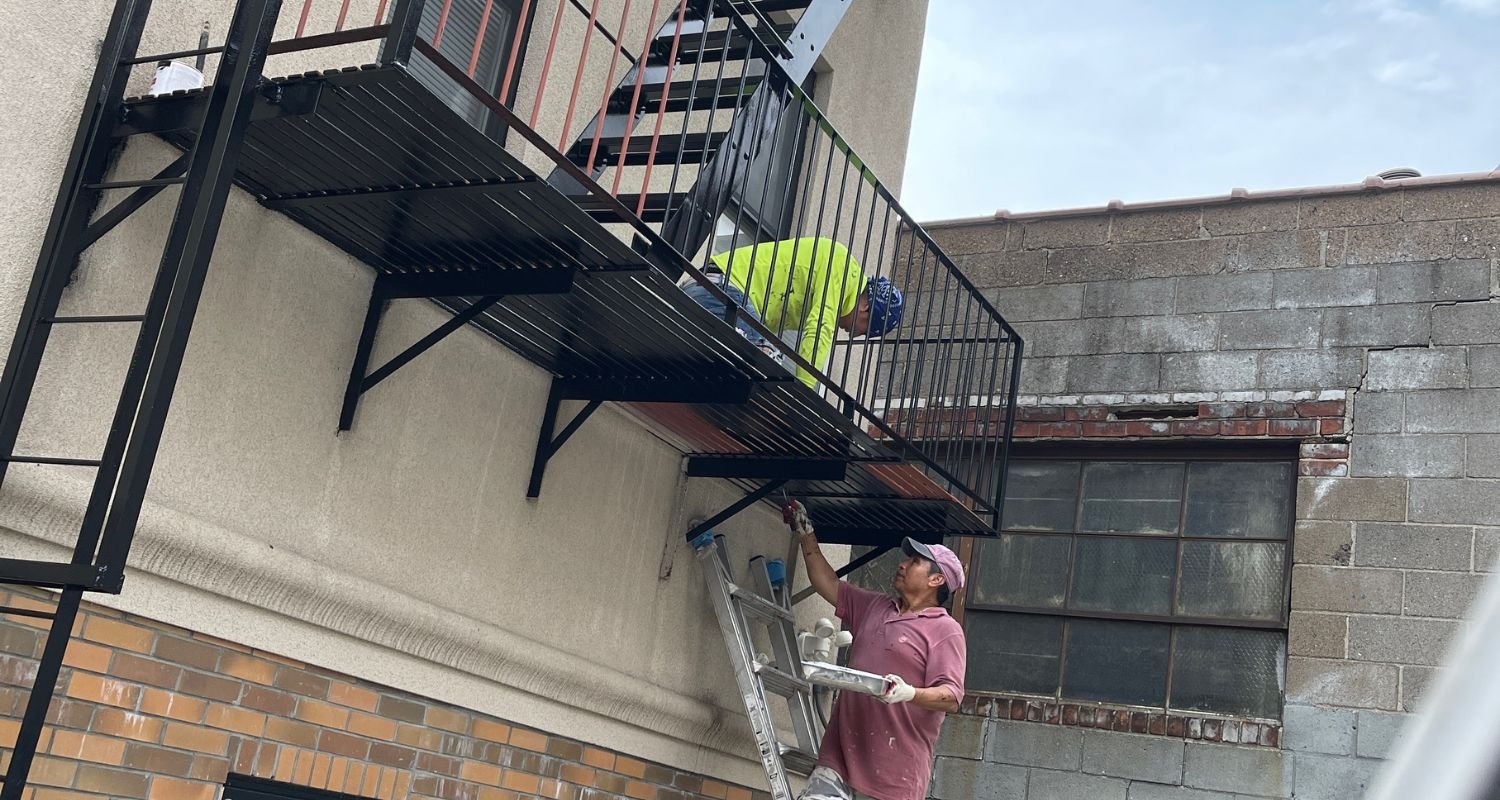
Step-by-Step Guide: How NYC Fire Escape Contractors Perform a Full Inspection
- Posted On: November 29, 2025
- Posted By: tricerepairs
Fire escapes are undoubtedly the most important safety element in case of fire for every building, either residential or commercial in New York City. Due to the strictness of the regulations and the old buildings in the city, professional inspections are a must, not an option. That is the reason why dealing with certified fire escape contractors NYC is the safest and the most dependable manner to keep your fire escape entirely compliant, strong, and legally certified.
With this in-depth, step-by-step guide, you will learn the whole process of how licensed contractors perform a complete fire escape inspection, what they check, and the importance of good maintenance for safety in the long run.
Why Professional Fire Escape Inspections Matter in NYC
New York City is characterized by a high population of older constructions and many of them still depend on the exterior metal fire escapes. The deterioration process or the effect of time on these buildings can happen in a number of ways rust, environmental factors, lack of maintenance, wrong painting, and simply the aging of metal.
Besides being functional, a certified inspection guarantees that your fire escape meets all safety regulations. State-licensed inspectors are strictly obligated to follow a procedure in order to point out concealed harm, support weaknesses, and code infringements that might otherwise remain undetected.
It is not just a question of satisfying legal requirements when you contract certified Fire Escape Contractors NYC, it is mainly a matter of saving lives during a fire emergency.
What Contractors Prepare Before the Inspection
Just prior to arriving at your property, building inspectors do a thorough review of the following vital building information usually:
- Records of former inspections
- Documentation of any past repairs
- Structural history and deficiencies noted
- Guidelines for current compliance with NYC fire escape requirements
They also inform building owners or managers about which points should be cleared for access, windows/doors that should be kept free of obstruction, and platforms, stairs, or landings that should not have any items stored on them. This pre-inspection preparation eliminates delays and enables contractors to carry out an efficient and accurate assessment.
Step-by-Step Process: How a Full Fire Escape Inspection Is Performed
Professional fire escape inspections are obliged to adhere to a well-organized, code-driven process. The following breakdown gives a detailed account of each phase.
1. Structural Integrity Assessment
The initial phase consists of visual examination and manual inspection of every structural part:
- Support brackets, anchors, and fasteners
- Railings, handrails, and guardrails
- Bolts, welds, rivets, and connection points
- Landing platforms and stair treads
Ladder systems (both fixed and retractable)
Inspectors check for signs of rust, corrosion, warping, weakening of joints, hairline cracks, and general metal fatigue. A small defect can be the cause of a major safety hazard, and that is why this phase is one of the most significant portions of the inspection.
2. Access and Clearance Verification
A fire escape is only useful if it is readily accessible to people during an emergency. Contractors make sure:
- Fire escape access windows and doors are not blocked
- No equipment (AC units, cages, planters, furniture) impedes people
- Ladders can be set up easily
- No padlocks or illegal barriers are present that would block access in case of emergency
This procedure assures that in case of a fire; the occupants can move out safely and fast without any interruptions.
3. Code and Safety Compliance Check
The legislation in New York City establishes fire escapes must fulfill rigorous conditions with respect to their construction, load bearing capacity, and upkeep. Contractors validate:
- Proper space from buildings
- Required by law railing heights
- Correct stair measurements
- Metal materials with approved quality
- Compliance with NYC Building Code and FDNY guidelines
Load testing may also be done if needed, assuring that the fire escape is capable of handling more than one person during an evacuation.
4. Identifying Rust, Corrosion, and Paint Damage
When it comes to fire escape malfunction, rust is the major culprit. Contractors look closely at:
- Surface rust (early-stage deterioration)
- Deep corrosion which causes metal to lose its strength
- Bubbling, peeling, or incorrectly applied paint
- Hidden rust under poorly maintained layers
The neglect that has resulted from wrong maintenance is often unveiled in this stage, especially when unqualified people try their luck with minor repairs or painting.
Why DIY Painting Is Dangerous
Many property owners assume that simply applying a fresh coat of paint can extend the life of their fire escape. However, fire escape painting can be dangerous when performed incorrectly.
Painting your own may:
- Conceal rust that needs to be repaired immediately
- Moisture will be held in, and corrosion will be accelerated
- Reduce the strength of the structural parts
- Cause violations of city codes
- Make the liability issues in case of emergencies
A professional contractor uses the right tools, methods of rust-removal and NYC-approved paints which are designed for metal longevity and fire safety. This is the reason why coating and sealing must always be done by specialists not building owners or handymen.
Post-Inspection: Reports, Certifications & Necessary Repairs
After the inspection, the contractors prepare a detailed report with the following items:
- Pictures of all the defects
- A clear description of the structural problems
- Steps to repair or replace the units suggested
- Status of compliance and the next steps for certification
Buildings with small issues may need only maintenance work. More severe problems like weakened platforms, loose bolts, heavy corrosion, or failing ladders need to be repaired right away.
After the repairs have been done, the fire escape will be inspected again, and if it meets the requirements, it will be certified by a qualified person. In New York City, this certification is usually required every five years.
Common Problems Found During NYC Fire Escape Inspections
According to the thousands of NYC inspections, the listed problems are the most common:
- Platforms or stairs that are heavily rusted
- Loose, cracked, or missing bolts and fasteners
- Welds that are worn out
- Railings that are bent or unstable
- Paint that is peeling off and revealing the metal underneath
- Ladders that are unstable or have drop-downs that are jammed
- Obstruction of access due to litter or AC unit installations
Handling these issues early will save you from costly repairs in the future and also prevent the occurrence of dangerous accidents during emergencies.
Maintenance Recommendations After Certification
To increase the lifespan of your fire escape and keep it in compliance:
- Perform visual inspections every 6 to 12 months
- Always keep the access areas completely unobstructed
- Do not engage in DIY metal repairs or painting
- Straight away treat small rust spots before they spread
- Keep proper documents for future inspections
- Professional maintenance should be booked at the first sign of decay
Early detection of small problems usually costs significantly less to fix than the case of major structural failures.
Conclusion
A fire escape is a structure that saves lives, and its security should not be a matter of luck. With this step-by-step inspection method, you can be sure that every part is carefully checked and every danger is dealt with. Partnering with licensed Fire Escape Contractors NYC means that your property will always be compliant, structurally sound, and ready for emergencies.