
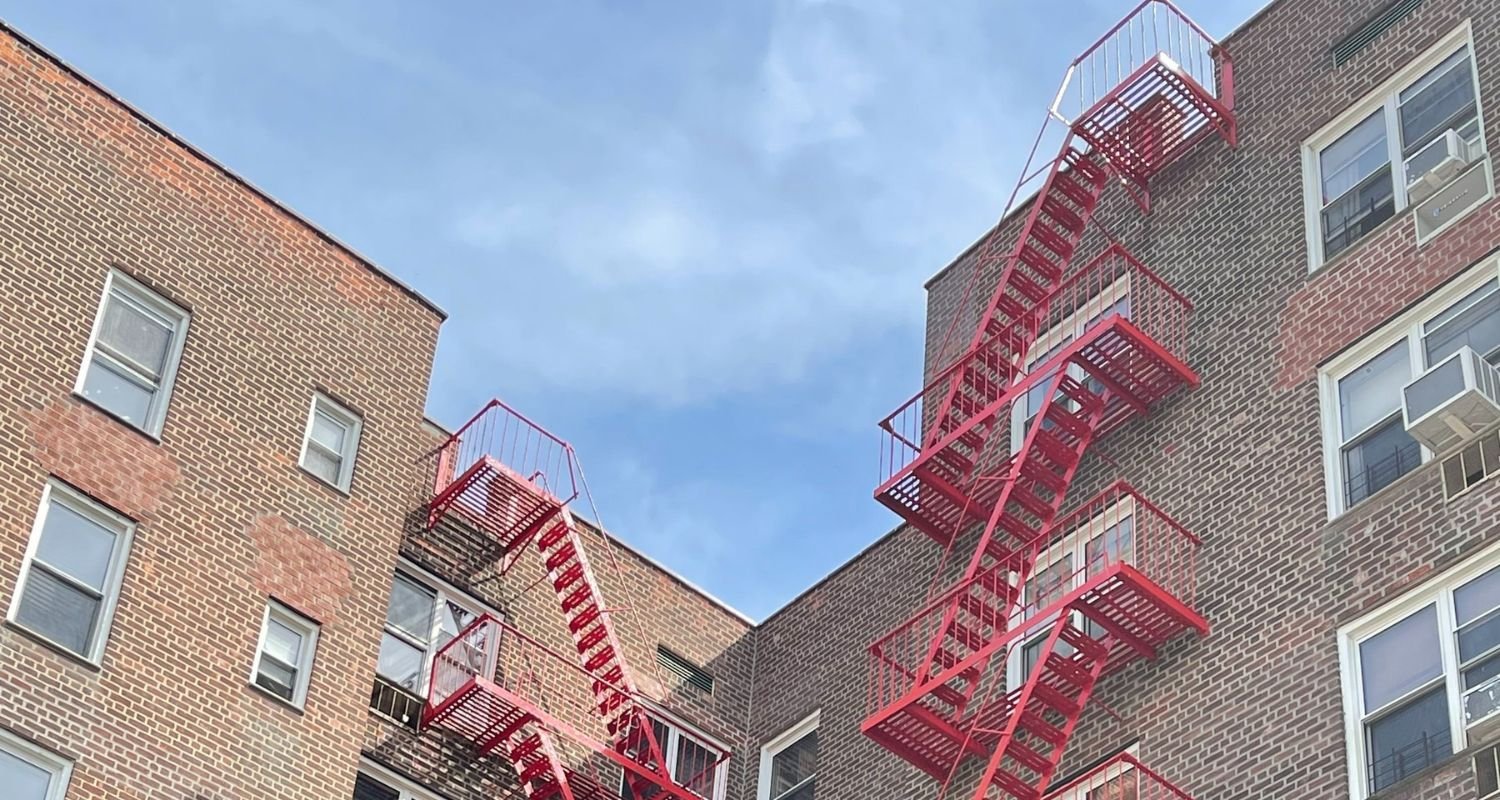
When Should You Schedule Fire Escape Restoration for Your NYC Building?
- Posted On: October 1, 2026
- Posted By: tricerepairs
Fire escapes are important exterior structures that require regular attention to remain safe, stable and functional. Because they are constantly exposed to rain, snow, moisture, temperature changes, dirt and other environmental conditions, metal components can gradually develop rust, corrosion, cracks and other forms of deterioration.
For NYC property owners, delaying necessary restoration can allow minor damage to become a more complicated structural problem. Scheduling fire escape restoration NYC services at the right time can help address deterioration, preserve the structure and support ongoing fire safety and building maintenance.
Why Does Fire Escape Restoration Matter?
A fire escape is exposed to outdoor conditions throughout the year. Moisture can penetrate protective coatings and reach metal surfaces, allowing corrosion to develop. Over time, rust can affect stairs, platforms, railings, connections, bolts and other components.
Regular inspection and maintenance can help identify these problems before they become extensive. A professional assessment can also help determine whether a structure requires minor repairs, comprehensive restoration, refurbishment or replacement.
Restoration is particularly important for older NYC buildings where exterior metal structures may have experienced years of exposure and limited maintenance.
Signs Your Fire Escape Needs Restoration
Knowing the warning signs can help property owners take action before deterioration becomes more serious.
Visible Rust and Corrosion:- Surface rust may appear harmless, but spreading corrosion can gradually weaken metal components. Extensive rust on stairs, platforms, railings, supports or connections should be professionally evaluated.
Damaged Stairs and Platforms:- Bent, cracked, unstable or deteriorated stairs and platforms can affect the usability and structural condition of a fire escape. Damaged sections may require repair or replacement during restoration.
Loose Railings and Connections:- Loose railings, bolts, brackets, welds and other connections can indicate deterioration. These components should be checked carefully to determine whether tightening, welding, reinforcement or replacement is necessary.
Peeling or Failing Paint:- Paint and protective coatings help shield metal surfaces from moisture and environmental exposure. Peeling, cracking or deteriorating coatings may leave steel vulnerable to rust and corrosion.
Structural Deterioration:- Visible deformation, weakened sections, damaged joints or other structural concerns should never be ignored. A professional inspection can determine the extent of deterioration and the appropriate restoration approach.
When Should You Schedule Fire Escape Restoration?
There is no single restoration schedule that applies to every building. The appropriate timing depends on the age, condition, construction, exposure, maintenance history and inspection findings of the fire escape.
You should consider scheduling restoration when visible corrosion continues to spread, protective coatings have deteriorated, structural components show damage or repeated repairs are no longer addressing the underlying problem.
Restoration may also become necessary after an inspection identifies significant deterioration. Professional inspection services can help determine whether repair or more extensive restoration is appropriate.
The key is not to wait until a fire escape becomes severely deteriorated. Addressing problems earlier can make the restoration process more manageable and help protect the structure from further damage.
What Does Fire Escape Restoration Include?
A professional restoration project can involve several stages depending on the condition of the structure.
Inspection and Condition Assessment:- The first step is to evaluate the fire escape. Professionals examine stairs, platforms, railings, supports, connections and other components to identify visible and structural concerns.
Structural Repairs:- Damaged sections may require welding, reinforcement, tightening or replacement. Severely deteriorated components may need to be replaced with suitable materials.
Rust and Corrosion Removal:– Existing rust and corrosion are addressed before protective treatments are applied. Proper surface preparation is important for achieving a durable result.
Protective Coating and Painting:- After preparation and repairs, appropriate primer and protective coatings can help reduce exposure to moisture and environmental conditions. Painting can also improve the overall appearance of the structure.
Final Assessment:- Once restoration work is completed, the structure should be reviewed to ensure that the required work has been properly addressed and that the fire escape is ready for continued maintenance and use.
Fire Escape Restoration vs. Fire Escape Repair
Restoration and repair are related but are not necessarily the same type of work.
| Service | Best For | Typical Work |
| Repair | Localised damage | Welding, tightening, component repairs |
| Restoration | Extensive deterioration | Structural repairs, rust treatment, coating, painting |
| Replacement | Severely damaged components | Removal and installation of new components |
A professional assessment is important because the visible condition of a fire escape does not always reveal the full extent of deterioration.
How Regular Maintenance Helps Prevent Major Restoration?
Regular maintenance can help property owners identify developing problems before they become extensive. Cleaning, inspection, corrosion treatment, painting and timely repairs can all contribute to maintaining the condition of exterior metal structures.
Property owners should also pay attention to changes in the appearance or stability of their fire escape. Rust spots, peeling coatings, loose components and damaged stairs should be assessed instead of being left unattended.
The existing NYC inspection guidance also emphasises checking for rust, peeling paint, obstructions, damaged components and the condition of stairs and guardrails.
How to Prepare for a Fire Escape Restoration Project?
Before restoration begins, property owners can take several practical steps:
- Arrange a professional inspection to understand the current condition.
- Document visible damage such as rust, cracks, loose railings or deteriorated paint.
- Discuss the restoration scope with the contractor before work begins.
- Confirm which components require repair or replacement.
- Plan access and scheduling to minimise disruption to residents or occupants.
- Ask about protective coatings and future maintenance after the project is completed.
Good preparation helps ensure that the restoration project is properly planned rather than being based only on visible surface damage.
How to Choose a Fire Escape Restoration Contractor in NYC?
Choosing the right contractor is an important part of the restoration process. Look for professionals with experience working with exterior steel structures and fire escapes.
A suitable contractor should be able to assess the condition of the structure, explain the required work, identify damaged components and provide a clear restoration plan.
It is also important to consider experience with inspections, repairs, corrosion treatment, painting and safety requirements. A contractor familiar with NYC properties can better understand the challenges associated with older buildings and exterior fire escape systems.
Conclusion
A fire escape can gradually deteriorate because of weather exposure, moisture, rust, corrosion, age and insufficient maintenance. Waiting until visible damage becomes severe can make the required work more complicated.
Property owners should consider professional restoration when they notice widespread corrosion, damaged stairs or platforms, loose connections, failing protective coatings or other signs of structural deterioration. A thorough assessment can help determine whether repair, restoration or replacement is appropriate.
With proper inspection, restoration, protective treatment and ongoing maintenance, property owners can help preserve the condition and functionality of their fire escape while addressing potential safety concerns. When deterioration is identified, taking action early is an important part of responsible building maintenance.
Frequently Asked Questions
Q1. How often should a fire escape be inspected?
Ans. Inspection requirements depend on the property and applicable NYC regulations. Property owners should follow the relevant requirements and arrange professional assessments when damage or deterioration is suspected.
Q2. Can a rusted fire escape be restored?
Ans. In many cases, restoration can address corrosion and damaged components. However, the appropriate solution depends on the severity and extent of deterioration.
Q3. What is included in fire escape restoration?
Ans. Restoration may include inspection, structural repairs, component replacement, rust removal, surface preparation, protective coatings and painting.
Q4. Should I repair or restore my fire escape?
Ans. Minor or localised problems may require repair, while widespread deterioration may call for more comprehensive restoration. A professional inspection can help determine the appropriate approach.
Q5. How can I extend the life of my fire escape?
Ans. Regular inspections, timely repairs, corrosion control, protective coatings and proper maintenance can help protect the structure from premature deterioration.