
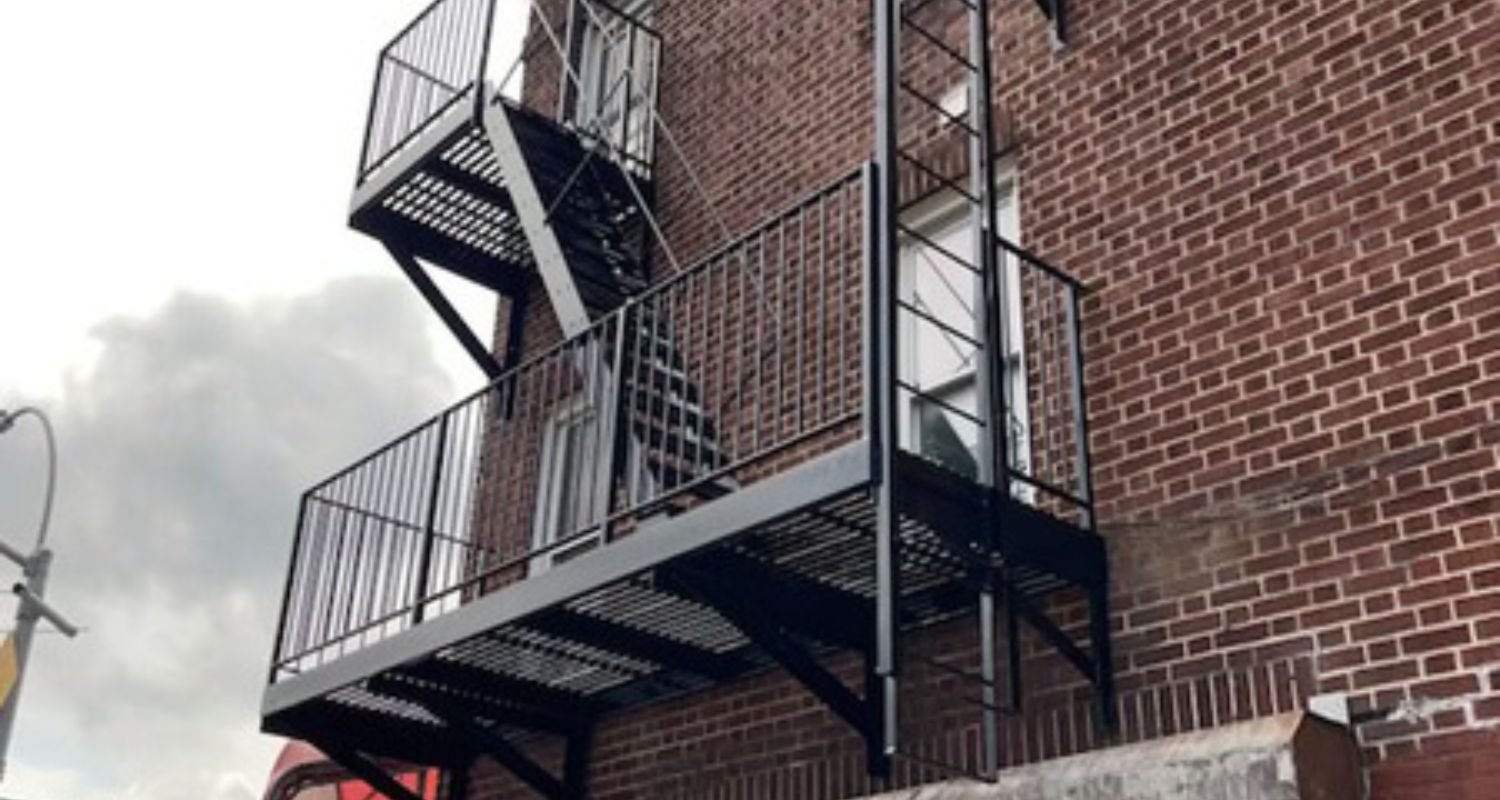
Fire Escape Installation Services for NYC Buildings
- Posted On: May 20, 2026
- Posted By: tricerepairs
Fire safety is one of the most critical responsibilities for property owners, in New York City, really. With thousands of residential, commercial, and mixed-use buildings spread across the five boroughs, having a safe, code-compliant emergency exit arrangement is not just important, it is legally required. A well-designed fire escape system can save lives during urgent moments while helping building owners satisfy the NYC Department of Buildings (DOB) and FDNY rules.
Whether you own a brownstone in Brooklyn, an apartment building in Queens, or a commercial property in Manhattan, investing in professional fire escape installation NYC services ensures your building stays structurally safe, usable, and legally compliant. Modern fire escape systems are built for long term reliability, swift evacuation in an emergency, and everyday peace of mind.
Hiring an experienced Fire Escape Installation Contractor NYC also helps property owners avoid costly DOB violations, reduce liability risks and improve the overall safety value of the building, in a way that can feel calmer than doing it yourself. In this guide we will cover basically everything you need to know about fire escape installation, NYC code requirements, maintenance practices and why hiring local fire escape contractors can make a major difference for your project.
Why Fire Escape Installation Is Essential for NYC Buildings
New York City is kind of known for how packed the urban architecture is, and the fact there are multi story buildings everywhere. In those stressful emergency moments, like fires, blocked stairwells, or smoke-filled hallways, the fire escapes end up being an alternative evacuation route, which can shield both residents and emergency responders at least in the short term.
These fire escape systems are even more meaningful in older NYC buildings that were built before modern fire suppression technologies became common. Lots of those structures still lean heavily on exterior emergency exits for occupant safety, more than people usually expect, until something happens.
Emergency Exit Safety in Multi-Story Buildings
During urgent events, occupants need fast and dependable escape routes. Fire escapes end up as a kind of supplementary evacuation line, helping to stop panic and prevent the stairwell from becoming overly crowded. With a professionally installed fire escape setup, residents and workers can leave safely when indoor corridors turn unusable or blocked.
That really matters in crowded boroughs like Manhattan, Brooklyn, and Queens, where building occupancy is often high, and people may need an alternative solution quickly.
NYC Legal & DOB Compliance Requirements
New York City does enforce strict fire safety rules for building owners. Right now, the older fire escapes can stay only if they are kept in a safe, code- compliant condition, and not kind of “sort of” safe, you know.
If a building owner does not maintain the fire escape system properly, it can lead to quite a few issues, like:
- DOB violations
- Safety penalties
- Insurance complications
- Legal liabilities
- Costs for emergency repairs
Under the NYC regulations, the access to fire escapes has to satisfy certain opening dimensions, plus operational safety conditions that are actually required, not optional.
Protection for Residential and Commercial Properties
Modern fire escape systems are designed to protect:
- Apartment buildings
- Commercial offices
- Mixed-use buildings
- Warehouses
- Educational facilities
- Historic properties
Professional Fire Escape Installation NYC services will usually make sure the system is properly engineered, based on the building’s structural needs and its occupancy type, not just a generic setup.
Avoiding DOB Violations and Penalties
NYC building owners are on the hook for keeping fire escapes structurally safe, at all times. If you don’t follow DOB rules, it can turn into violations and a bigger liability mess.
Getting installs done on time, and arranging regular inspections, can really help property owners sidestep emergency repairs, and those costly compliance headaches too.
How Fire Escape Installation Improves Building Safety
A professionally designed fire escape system does a lot more than just meet legal requirements. It kind of actively boosts emergency preparedness, helps with evacuation efficiency, and also adds to structural reliability, in a more dependable way.
Faster Emergency Evacuation
In a fire emergency every second matters a lot. Fire escapes give occupants a more direct outdoor exit pathway, so there’s less crowding inside the building. This really helps in older NYC buildings, where interior stairwells can be blocked or become useless because of smoke or fire damage.
Reduced Risk During Fire Emergencies
Fire escapes help people step away from dangerous indoor spaces, in a safer manner. With the right installation, they can cut down injuries too, and they also support a faster arrival for emergency responders, who might need clear access right away.
Buildings that keep their fire escape systems professionally maintained are usually readier for emergency situations, plus they tend to handle code inspections better.
Safer Access for Occupants and Firefighters
Modern fire escape systems include:
- reinforced steel platforms
- anti-slip stair treads
- secure handrails
- improved load-bearing support
- weather-resistant coatings
These features improve usability during emergencies while providing safer operational access for firefighters.
Increased Structural Security
Fire escape systems have to hold up to environmental exposure, corrosion, the pressure of heavy occupancy loads, and long-term wear too. In practice, professional contractors lean on structural engineering assessments so the whole setup stays durable and stable for years, not just in the short run.
Also, NYC regulations expect fire escapes to stay structurally safe and ready, operational at all times, without slipping into disrepair.
Types of Fire Escapes Installed in NYC
Different building layouts kind of demand different fire escape systems. A professional Fire Escape Installation Contractor NYC can recommend the most suitable design based on how many people are expected, the structure type, and what the DOB rules require.
Balcony Fire Escapes
These systems feature joined balconies, with stairs for access between the floors. They’re often used in apartment buildings, and older residential properties also.
Advantages
- Simple resident access
- Quick emergency egress
- Strong exterior frame
Stairway Fire Escapes
Stair tower systems provide bigger egress routes and are often installed in commercial and industrial facilities, not like the smaller kinds. They tend to feel more practical during evacuation.
Best For
- commercial properties
- schools
- warehouses
- mixed use buildings
Drop Ladder Systems
Drop ladder fire escapes are usually used in smaller buildings where space is tight, and there isn’t much room. They have retractable ladder mechanisms that are linked to upper platforms.
Custom Fabricated Fire Escapes
Some NYC buildings need pretty custom-minded systems because the layout has constraints, or there are landmark rules that must be followed. A tailored fabrication approach makes sure everything stays compliant, and still doesn’t ruin the overall look, you know, the facade kind of thing.
Commercial Fire Escape Systems
Commercial sites usually ask for things like:
- better load capacities
- wider stairways
- reinforced steel frame work
- additional safety features
These custom systems are designed with mass occupant evacuation in mind, plus the daily heavy use, so they stand up under real operational stress.
Complete Fire Escape Installation Process
Professional installation kind of starts with careful planning, real engineering know- how, and ongoing compliance management, which is always a bit of a moving target.
Site inspection & Structural assessment
First, they do a full building check, contractors review everything, kind of overall and not just the obvious parts. They assess:
- structural integrity
- wall support systems
- building height
- access points
- occupancy type
- emergency exit routes
All of this is used to map out the safest and also the most efficient fire escape design.
DOB Permit & Code Review
Fire escape installations in NYC typically need DOB approvals, plus permit documentation which is kind of the baseline thing, you know. Any modifications or replacement work has to stay in line with NYC building regulations.
And if the building happens to be landmarked, then extra approvals may also show up, maybe more than once, not always but often.
Custom Design & Fabrication
After approval, contractors, fabricate the fire escape system using steel or other approved materials. The design process kind of focuses on:
- structural load capacity
- emergency access
- corrosion resistance
- weather protection
- long-term durability
Professional Installation
Licensed installers lock the system to the structure using engineered anchoring methods and sturdy support links, with reinforced connections in place. Proper welding, plus careful fastening, are essential for long term safety.
Final Safety Inspection & Testing
After everything gets installed, the setup will go through all of this, kind of back to back:
- structural testing
- operational checks
- code compliance review
- safety inspections
This is what makes sure the system matches the NYC safety requirements.
Ongoing Maintenance Recommendations
Professional contractors often throw in a bit of maintenance guidance so building owners can keep in compliance, and in turn extend the system lifespan, kind of a longer run.
Why Hiring a Professional Fire Escape Installation Contractor NYC Matters?
Picking the right contractor kind of sort of directly messes with safety, compliance, and the overall durability years later.
Knowledge of NYC Building Codes
If you have someone who actually knows NYC Building Codes, they usually understand:
- what the DOB requires
- FDNY safety standards stuff
- Local Law 11 rules and the way they are enforced
- structural safety codes in practice
That kind of clarity can cut down on delays. It also lowers the chance of compliance problems popping up.
Licensed & Insured Contractors
Licensed & Insured Contractors, also matters more than people think. When you work with licensed professionals, building owners get real protection from:
- unsafe installations
- liability exposure issues
- failed inspections, which nobody wants
- insurance complications later on
And qualified contractors tend to stick to strict safety practices during installation too, not just on paper.
Proper Welding and Structural Installation
Fire escapes must handle really big occupant loads during emergencies, if they can’t, then it becomes a huge problem. And yeah, poor welding or weak anchoring, can also end up turning into serious safety hazards.
- certified welding methods
- structural engineering practices
- corrosion-resistant materials
- code-compliant fabrication
Long-Term Durability and Safety
Professionally installed systems tend to last a lot longer, and they need far fewer emergency repairs. Usually contractors use protective coatings and weather resistant materials to cut down corrosion, and the slow deterioration that can happen over time.
Avoiding Costly Repairs Later
Poor-quality installations often lead to:
- rust damage
- loose railings
- structural instability
- DOB violations
- emergency repair costs
- Hiring experienced contractors helps property owners avoid expensive future issues.
Hiring Local Fire Escape Contractors
Working with local NYC contractors brings out a few pretty clear wins, for property owners in general.
Faster Project Completion
Contractors on the ground understand borough specific permit procedures, and they can often finish renovations more efficiently, too.
Understanding NYC Borough Requirements
Different boroughs can show pretty unique architectural problems, as well as regulatory stuff, you know, it may vary.
- historic building requirements
- access restrictions
- zoning limitations
- neighborhood compliance expectations
Easier Permit Handling
A lot of local contractors often deal with NYC DOB processes and they can kind of help smooth things out, on approvals and also inspections. It’s mostly about walking you through the steps, and making it less confusing overall.
Better Emergency Support & Maintenance
Local contractors can respond faster to:
- emergency repairs
- DOB violations
- structural concerns
- maintenance requests
Local Reputation and Reliability
Hiring local fire escape contractors lets property owners’ sort through nearby work history, see customer feedback, and gauge local experience before choosing.
Most importantly, there’s less delay, more direct communication, and a steadier sense of reliability, which matters when time is critical.
Fire Escape Code Compliance Requirements in NYC
NYC has strict safety regulations governing fire escape systems and exterior emergency exits.
NYC DOB Regulations
Fire escapes need to stay structurally safe, usable, and compliant with code. If the existing systems are used, they’re allowed only when they’re kept properly maintained, like you know, checked and all that, regularly.
Material & Structural Standards
NYC fire escapes are mostly made from:
- galvanized steel
- structural steel
- wrought iron
- corrosion-resistant materials
The setups must handle the required occupant loads and keep their stability, during those emergency moments.
Access & Egress Requirements
NYC code lays out the minimum opening size rules for those fire escape access windows and doorways. Like, the point is that the proper routes for getting out have to stay clear, unblocked, all the time—no clutter, no storage, none of that.
Inspection and Maintenance Rules
Fire escapes have to stay in working condition, and they can’t be allowed to rot, sag, or get blocked up. NYC regs also call for ongoing upkeep, plus protective coatings so the structure doesn’t take damage over time.
Five-Year Inspection Expectations
For buildings that are taller than six stories, they’re usually pulled into Local Law 11, aka FISP inspections, every five years. Those checks are handled by Qualified Exterior Wall Inspectors (QEWI) who go through the site and verify compliance.
Conclusion
Fire escape systems remain one of the most important safety features for New York City buildings. Whether you own a residential apartment complex, a commercial office, or a mixed-use property, getting professional Fire Escape Installation NYC services is a solid move. It helps protect occupants while also staying in line with the NYC DOB and FDNY rules, requirements, and day to day expectations. In other words, this isn’t just a nice add on, it is essential.
A properly installed fire escape improves emergency evacuation, reduces liability risks and strengthens building safety also helps with long-term structural durability. When you work with an experienced Fire Escape Installation Contractor NYC, the whole project gets finished with code compliance in mind, and it follows the expected industry safety standards as well.
Property owners who really prioritize regular inspections, ongoing maintenance, and code compliance are better set up for emergencies, and they are also less likely to run into costly violations or structural failures. In other words, when you’re Hiring Local Fire Escape Contractors you often get quicker help, more local know-how, and a calmer process for permit management across all five boroughs.
If your building is needing a new fire escape system, replacement, or safety upgrade , teaming up with a trusted NYC contractor is the best way to safeguard your property, your tenants, and that long term investment.