
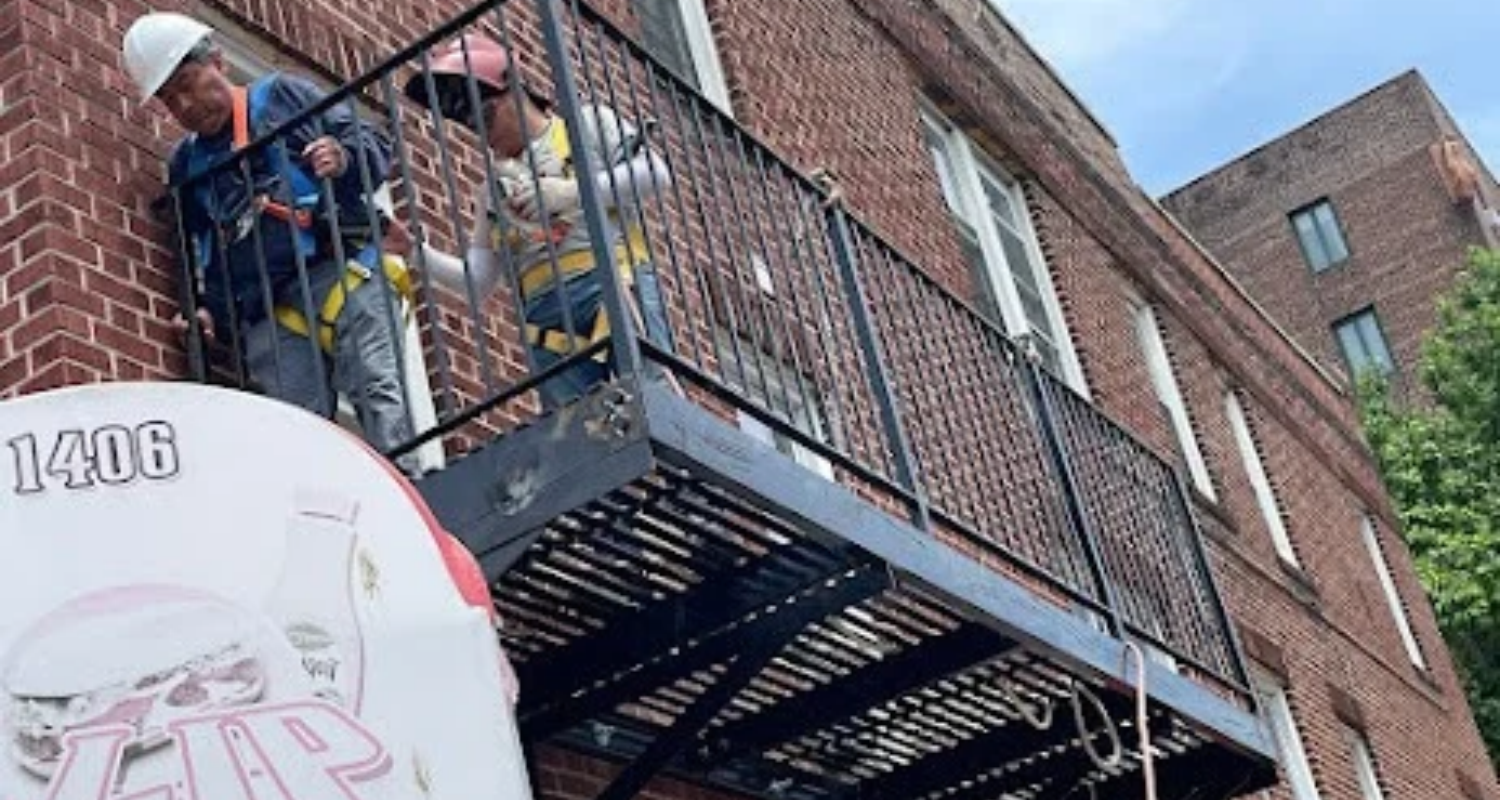
Why Is Fire Escape Inspection Important in NYC?
- Posted On: October 5, 2026
- Posted By: tricerepairs
A fire escape is an important exterior safety structure that provides a means of egress during an emergency. Because fire escapes are exposed to rain, snow, moisture, changing temperatures and other outdoor conditions, their condition can deteriorate over time.
Regular inspection helps property owners identify rust, corrosion, damaged stairs, loose railings, deteriorated connections and other problems before they become more serious. For NYC property owners, scheduling professional Fire Escape Inspection NYC services is an important part of maintaining the condition, accessibility and functionality of the structure.
Why Is Fire Escape Inspection Important?
Fire escape inspection is important because exterior metal structures can develop problems that may not always be obvious from the ground. Small areas of rust or deterioration can gradually spread and affect stairs, platforms, railings, supports and connections.
A professional inspection provides an opportunity to examine the condition of these components and identify areas that may require maintenance, repair or restoration.
NYC guidance requires certain fire escapes to be maintained in good working order and kept clear and unobstructed. The condition of components attached to the building is also important, particularly where rust or deterioration is present.
Regular inspection can therefore help property owners identify problems early and take appropriate action before deterioration becomes more extensive.
What Can a Fire Escape Inspection Identify?
A professional inspection looks at different parts of the fire escape to determine whether visible defects or deterioration are present.
Rust and Corrosion:- Rust is one of the most common concerns with exterior metal fire escapes. Continued exposure to moisture can cause corrosion to spread across stairs, platforms, railings, supports and connections.
NYC guidance specifically identifies rust and other signs of deterioration as defects that require attention.
Damaged Stairs and Platforms:- Stairs and platforms should remain stable and suitable for emergency use. Bent, cracked, deteriorated or damaged sections should be assessed to determine whether repair or replacement is necessary.
Loose Railings and Connections:- Railings, bolts, brackets, welds and other connections are important parts of a fire escape. Loose or deteriorated components can affect the overall condition of the structure and should be evaluated by a professional.
Structural Deterioration:- An inspection can help identify visible deformation, weakened metal, damaged joints, corrosion around connections and other signs that may require further attention.
Obstructions and Access Problems:- A fire escape needs to remain accessible and unobstructed. Items stored on the structure or conditions that restrict access can interfere with its intended use during an emergency. NYC guidance requires fire escapes to be kept clear and unobstructed.
What Are the Signs Your Fire Escape Needs an Inspection?
Property owners should not wait until a major problem develops before arranging an inspection. Several visible warning signs can indicate that professional assessment is needed.
Visible Rust:- Small rust spots can develop into more extensive corrosion when they are not treated. Widespread rust should be professionally evaluated.
Peeling or Deteriorated Paint:- Paint and protective coatings help protect metal from moisture and environmental exposure. Peeling, cracking or deteriorated coatings can leave the underlying metal more vulnerable to corrosion.
Damaged or Unstable Components:- Bent stairs, damaged platforms, loose railings, deteriorated supports and other visible defects should not be ignored.
Loose Connections:- Loose bolts, brackets, welds or other connections can indicate deterioration and may require repair.
Changes in the Condition of the Structure:- If a fire escape appears different from its previous condition or shows increasing rust, movement, damage or deterioration, arranging an inspection can help determine what action is required.
What Does a Fire Escape Inspection Include?
A professional inspection can involve a detailed visual assessment of the accessible components of the fire escape.
Stairs and Platforms:- The condition of steps, landings, platforms and other walking surfaces is examined for visible damage and deterioration.
Railings and Guardrails:- Railings and guardrails are checked for damage, looseness, corrosion and other visible problems.
Supports and Connections:- The areas connecting the fire escape to the building are particularly important. These components should be examined for corrosion, damage and deterioration.
Surface Condition:- Inspectors look for rust, peeling paint, corrosion, cracks and other visible signs of deterioration.
Access and Obstructions:- The inspection should also consider whether the fire escape remains accessible and free from objects or conditions that could interfere with its use.
The NYC Loft Board’s certification form specifically addresses whether fire escapes, stairs and corridors are free of defects, including rust and personal items.
How Regular Inspection Helps Prevent Costly Repairs?
Regular inspection can help property owners identify problems while they are still manageable. A small area of corrosion may require less extensive work than a severely deteriorated component that has been left untreated for years.
Early identification also allows property owners to plan appropriate maintenance. Depending on the findings, the required work may involve cleaning, corrosion treatment, painting, welding, component repair, restoration or replacement.
Regular maintenance is particularly important for older buildings where exterior fire escapes may have experienced years of exposure to weather and moisture.
NYC building guidance also requires fire escapes to be maintained so they remain safe and operational, with moving parts kept in working order and the structure protected from deterioration.
Fire Escape Inspection vs. Fire Escape Restoration
Inspection and restoration serve different purposes, although they are closely connected.
| Service | Main Purpose | Typical Focus |
| Inspection | Identify problems | Rust, damage, connections, stairs, railings |
| Repair | Correct specific damage | Welding, component repairs, tightening |
| Restoration | Address broader deterioration | Repairs, rust treatment, coatings, painting |
An inspection does not necessarily mean that extensive restoration is required. Instead, it helps property owners understand the current condition of the structure and determine what work, if any, should follow.
How to Prepare for a Fire Escape Inspection?
Property owners can take several simple steps before an inspection to help the process go smoothly.
- Clear the fire escape of personal belongings, furniture, storage items and other obstructions.
- Check for visible damage such as rust, peeling paint, loose railings or damaged stairs.
- Provide safe access to the areas that need to be assessed.
- Review previous maintenance records if repairs or restoration have been performed in the past.
- Discuss visible concerns with the inspection professional so they can receive appropriate attention.
Keeping the fire escape clear is especially important because blocked or inaccessible fire escapes can create serious safety concerns. NYC 311 provides a reporting process for blocked building exits and fire escapes.
How to Choose a Fire Escape Inspection Contractor in NYC?
Choosing an experienced contractor is an important part of maintaining an exterior fire escape. Look for professionals who understand fire escape structures and have experience identifying common problems such as corrosion, damaged components, loose connections and deteriorated protective coatings.
A suitable professional should be able to explain the inspection findings clearly and identify areas that may require repair, restoration or additional assessment.
Experience with fire escape repair, restoration, painting, welding and maintenance can also be valuable because inspection findings may reveal work that needs to be addressed.
Property owners should ask about the inspection process, documentation, recommended repairs and any follow-up maintenance before starting the project.
Conclusion
Fire escape inspection is an important part of responsible NYC building maintenance. Regular assessment can help identify rust, corrosion, damaged stairs, loose railings, deteriorated connections and access problems before they become more serious.
A professional inspection gives property owners a clearer understanding of the condition of their fire escape and helps determine whether maintenance, repair, restoration or replacement may be necessary.
By keeping fire escapes clear, addressing visible deterioration and arranging appropriate inspections, property owners can help maintain a safer and more functional emergency egress structure. Taking action when problems are first identified can also help prevent minor deterioration from developing into more extensive repairs.
Frequently Asked Questions
Q. How often should a fire escape be inspected?
Ans. Inspection requirements can vary depending on the building and applicable NYC rules. Property owners should follow the requirements that apply to their property and arrange professional assessment when deterioration or damage is suspected.
Q. What does a fire escape inspection check?
Ans.An inspection can examine stairs, platforms, railings, supports, connections, surface conditions, rust, corrosion and potential obstructions.
Q. Can rust cause a fire escape problem?
Ans.Yes. Rust can indicate deterioration and may become more extensive if it is not addressed. NYC guidance specifically identifies rust as a defect requiring attention in applicable buildings.
Q. What happens if damage is found during an inspection?
Ans.The appropriate action depends on the type and severity of the damage. Minor problems may require repair or maintenance, while more extensive deterioration may require restoration or replacement of affected components.
Q. Should inspection be followed by repair?
Ans.If an inspection identifies defects or deterioration, property owners should address the findings appropriately. A professional can help determine whether repair, restoration, painting or other maintenance work is necessary.