
How Fire Escape Installation Can Save Lives in Emergencies
- Posted On: October 24, 2025
- Posted By: tricerepairs
Fires move quickly and wreak havoc in minutes; the faster the escape, the better the chances for everyone involved. Office buildings and mid-rise flats rely on flawless coordination between surrounding structures with regard to available fire exits, looking for consumer interests first. In consolidated cities like New York where areas are crammed with copious buildings, Fire Escape Installation NYC is a necessary health and safety measure. This is more than just a requirement; it is a fundamental principle that saves lives.
The Importance of Fire Escape Installation
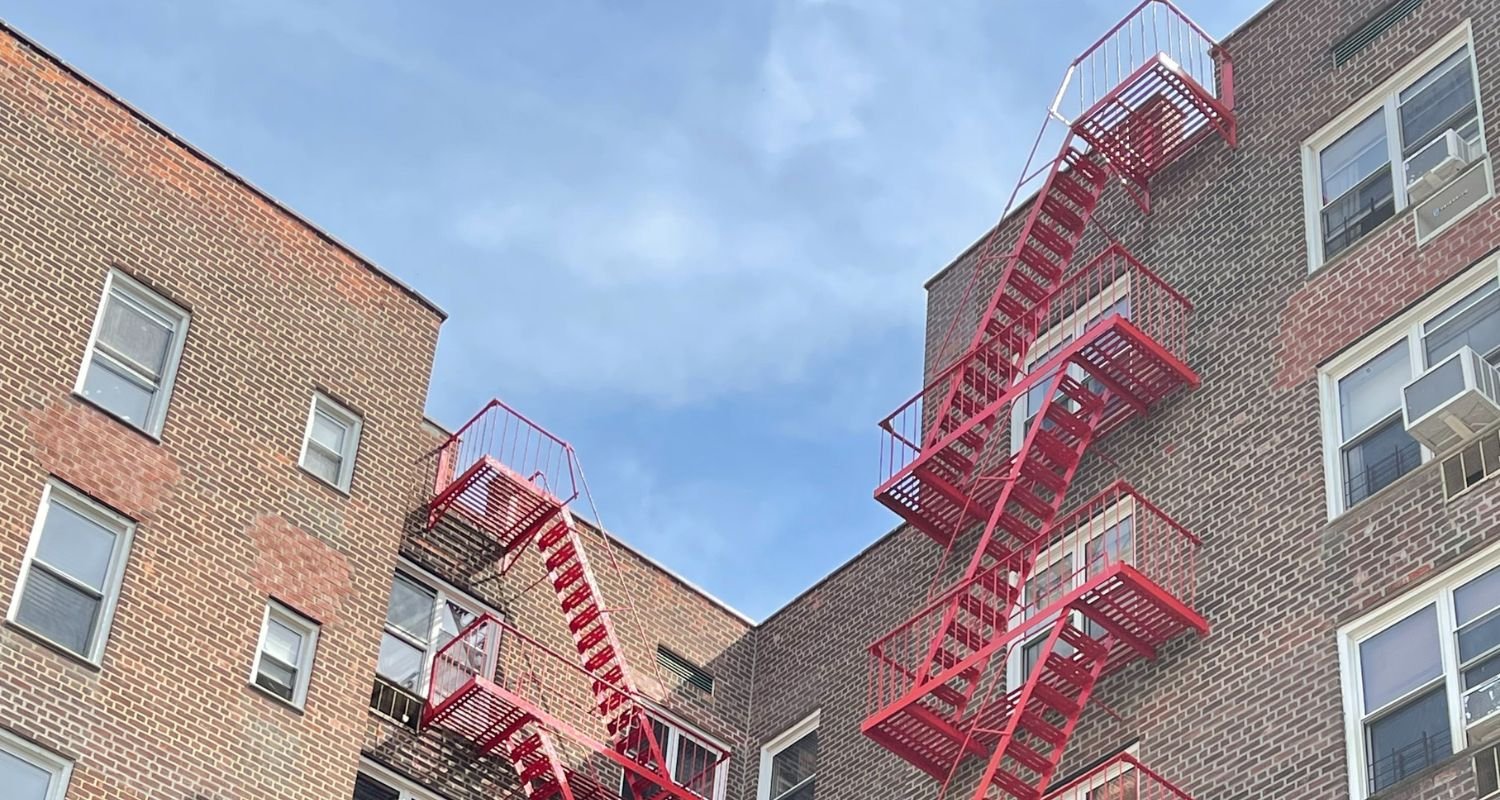
A fire escape built externally from the building is an installation that provides an alternate exit point in case the main internal exit staircases are engulfed in smoke, flames or debris. In case of an emergency operation, having this external structure in place proves very useful to offer egress that is well organized, secure, protected and managed safety wise and saves lives more.
There have been several buildings over the years fitted with external fire escapes which during emergencies save the tenants. These extend to apartments and offices as well. In the absence of complete calmness, the rate of evacuation is made difficult, and with every rise in the level of panic, the chances of survival reduce.
Today any fire escape installation NYC is robust, aesthetically pleasing, and does not compromise the safety requirements. So, whether you are an owner, a caretaker or even a builder, make sure you possess an efficient and effective fire escape in the building, which is more of a duty than it is an obligation.
Why Fire Escape Installation Is Vital in NYC
The architectural density and historically less boxy proportion of New York City raise the importance of Fire Escape Installation NYC to an alarming significance. There are quite a few of the old design’s worth mentioning. They have been configured for areas and periods defined by the regulations that insisted fire escapes must be present then or else significant penalties.
Even in recent construction, fire escapes are normally only used in the internal structures, but in the old buildings, fire escapes on the outside do represent the only means of escape provided.
On the other hand, over the span of decades, these structures tend to weather, corrode and fatigue – making this kind of new construction and proper maintenance practice of utmost importance.
Key Factors to Consider Before Installing a Fire Escape
A fire escape is not one of the things that can simply be installed in any place since there are some such issues that seem not to exist for other buildings. Here are some important aspects that must be considered while planning to install a fire escape:
1. Building Structure and its Location
The location where you would like to place your fire escape plays an important role. Heat can be as much of a problem inside the car as outside the car. It should also be possible to access each floor of the building without any difficulty and the basement should have escape routes to the ground which should be safe. There should be attachment to a structural wall and there should be a design from a Fire escape installations certified engineer that complies with NYC’s standards.
2. Where will the Heights material stand?
The traditional materials for building fire escapes are either galvanized steel or wrought cast iron. Both heat resistance and reinforce potential in times of emergent situations are enabled in these materials. On the other hand, with minimal maintenance, these materials will corrode and fail which is referred to as Corrosion Damage Fire Escapes.
3. Permits and Obtaining Inside Limits
In New York City, installations require plans that are approved and meet all legal requirements. Decency is to be prevailed by ensuring that the fire escape complies with the building codes as required by the Department of Buildings of New York City which basically the body. One should engage only reputable and experienced fire escape installers to avoid breaking any law and compromising safety.
4. Access-Centric Design
Nobody likes steps leading to a fire escape blocked by air cons, burglar bars, or these are even for putrid trolleys. In instances of emergencies, any obstruction literally changes the whole image of the lifesaving structure. Every effort must be made to make any design maneuverable with the least amount of effort possible.
The Hazardous Aspect: Fire Escape Corrosion
Buildings tend to neglect one very important safety component: Corrosion Damage Fire Escapes. It takes years of being under the sun and rain and exposure to snow, pollution and cycling of the temperature for steel fire escapes to start getting corroded. Some non-threatening color changes turn into massive orange spider webs, threatening to bring the whole structure down and break their hearts.
Deterioration starts, often, from joints, welds and at anchor points the most stressed regions. When these components become exhausted of life, the entire strength of the fire escape is at stake. It can result in catastrophic breakdowns where stairs or platforms collapse in emergency situations.
Periodic examination and maintenance will help eliminate corrosion damage fire escapes. Moreover, during Fire Escape Installation NYC, the proper anti-corrosion primers or coatings as well as galvanized materials need to be included. In addition, any paint and sealant aside from waterproofing paints increases the durability of the building.
It is important to note that failure of maintenance is not only a violation of safety regulations, but also puts inspection and training exercises to work at risk. Likewise, having to cope with corrosion at an early stage, makes sure that the fire escapes remain in excellent condition, able to be used in the event of an alarm or a fire.
How fire escape installation Saves Lives
The spread of panic is faster than the spread of fire. Especially in NYC’s vast, multistoried building complexes, staircases become unusable in a matter of minutes. Well, the planned fire escape installation system gives people another safe way to get out of a burning building.
Let us look into two different settings:
- Correct Fire Escape Installation – The residents have easy access to a sturdy, rust free and up to the codes for NYC external escape. Smooth evacuation was executed, almost no sustained injuries, i.e. the population was saved.
- Poor Installation – Weak or rusted ladders may not hold and trap the people in the upper floors or cause the ladders to give way in the process of descent. Instead of being a protective instrument, it then gets converted into a form of vice.
Ensuring every screw, every sequence, every platform of yours does not bow under the weight of a fire escape is very important. Because of this the seasoned Fire Escape Installation NYC contractors always develop load tests, weld tests and anticorrosive checks to provide acceptance of disagreements.
Maintenance: A Key Aspect of Flammable Exit’s Readiness
It doesn’t stop there after all has been installed. Performing maintenance work is important as it keeps the escape working as it is supposed to. The following checklist aims to avoid Corrosion Damage Fire Escapes:
- Annually or after extreme weather conditions de-ice various fire escapes.
- Apply anti-corrosive paints every two-three years.
- Eliminate all debris, dust, or stagnant water.
- Replace the loose screws and bolts or restore the joints whether separately or single seam units.
- Avert growth of trees, plants, overhanging the ladder and remove any cables, wires and other impediments off the escape way.
The building codes of New York City entails regular checks and certifications. Consultation with competent professionals allows the safety of the structure through conformation to the rules.
Conclusion
During an emergency, there is a well-installed fire escape that acts as a refuge from chaos. Correct Fire Escape Installation NYC does not only mean adhering to the law, but also considers the safety of lives, e.g. people’s families, property etc. Disregarding repair work or maintenance of Corrosion Damage Fire Escapes may lead to a system of safety becoming work, making it dangerous.
Substantial efforts need to be made by building owners and managers as well as residents to reinforce this aspect of safety as well. Every action carried out, from the trained installation to the rule of survey and maintenance, add up to the prevention of such extreme events.
A solid fire escape, which is corrosion proof and adheres with the standards of the building codes, is more than mere metalwork; it is a knot upon which many lives may hang. Do not wait till it is too late to know its worth. Seek for professional fire escape installation services today and make sure there is no lapse of preparedness in your building’s safety plan.